Why Righteous Tee Is Popular Timeless vs Trendy

Comfort Meets Toughness: The Fabrics Behind Righteous Clothing

Before making a purchase, anyone researching a righteous review tends to ask the same question first: what goes into this clothing? It’s a reasonable question, because the choice of material determines everything else that follows — how a garment holds its shape after twenty washes, whether it frays at the cuffs, how it feels against skin on a humid afternoon as opposed to a cold morning. This precise concern sits at the core of Righteous clothing’s identity, treating material selection as the bedrock of the label rather than a secondary consideration tucked into a product description. This philosophy is reflected in the way each piece is put together, from the yarn used to the finishing techniques applied before a garment ever makes it into someone’s hands.

Here, we unpack what goes into we are righteous apparel, why those decisions matter for daily use, and how the materials measure up next to typical fast-fashion alternatives still common in 2026. We’ll also look at care, durability expectations, and where the righteous hoodie fits into the brand’s wider collection. No filler, no vague marketing language — just the concrete facts that help someone decide whether this brand matches their wardrobe.

How Fabric Decisions Define an Apparel Label

Between clothing that lasts and clothing that ends up donated within six months, material is the deciding difference. A inexpensive, loosely woven cotton righteous-apparel.com/t-shirts blend might feel soft on day one, but it deforms after a few washes and starts wearing thin at stress points like elbows and underarms. Righteous clothing brand pushes back against that cycle, leaning toward denser, densely constructed fabrics that keep from stretching out even with repeated wear. This is more than a promotional line — it reflects a larger shift in how consumers judge apparel now that fast fashion’s environmental and durability weaknesses are broadly recognized.

Weight matters more than most shoppers realize. Fabric weight is typically measured in grams per square meter (GSM), and garments under 180 GSM often come across as thin and see-through, while anything above 280 GSM begins to seem substantial and well-formed. Righteous apparel generally sits in the mid-to-heavy range, which accounts for why customers often describe the pieces as feeling « worth the price » rather than flimsy. Heavier fabric also holds its shape through drying cycles, meaning less ironing and fewer hassles on laundry day.

We should also raise the question of fabric performs when pulled taut. Rebound capacity — the capacity of a piece to spring back into its initial form once stretched — is a measurable trait that separates properly constructed staples from cheaply made counterparts. Blended fabrics with a slight proportion of elastane fiber or a comparable elastic fiber generally bounce back more effectively than fully rigid, unblended cotton, which is part of why many righteous pieces are built from blended materials instead of depending solely on single-fiber cloth.

The Righteous Hoodie’s Details, Examined Closely

This righteous hoodie piece has become a standout staple for the brand, and for good reason — hoodies leave no room for error when it comes to material quality.

A badly made hoodie sags at the hood, sees its drawstring grip weaken, and shows signs of pilling across the front pocket in a matter of weeks.

Thanks to a heavier fleece-back construction, the righteous hoodie offers an inner layer that’s softly brushed paired with an exterior that remains durable and smooth. This dual-layer method is the norm for high-end streetwear but conspicuously missing from cheaper alternatives.

A further feature worth highlighting is the ribbed trim along the cuffs and hem. Since it is snug and carefully-sewn, the ribbing keeps a hoodie’s shape unspoiled even after repeated wear and washing, so it avoids the stretched-out, saggy look that cheaper garments tend to get after just one season. During routine activity — reaching overhead or hauling a backpack, say — reinforced stitching at the seams, particularly at the sleeve-body join, minimizes the risk of tearing.

Customers writing a we are righteous review often single out the hoodie’s weight and drape as reasons for repeat purchases. A hoodie that hangs correctly, without bunching at the waist or pulling at the shoulders, signals that the pattern-cutting behind it was done with actual wearability in mind, not just cost efficiency. That level of attention is one of the clearer signs of a brand thinking long-term rather than chasing short production cycles.

Tailoring Holds Firm, No Sacrifice to Comfort

Ease of wear is a matter of personal perception, but there are concrete criteria that play a role in it: how well a fabric breathes, balance of weight, and how the textile flows as you move. Righteous clothing favors fabrics that balance softness with enough structure to hold a garment’s intended silhouette. This is particularly important with oversized or relaxed-fit pieces, because without enough structure, overly soft material can make them appear shapeless.

Breathability is primarily determined by fiber composition and weave density. Cotton-heavy blends allow better airflow than fully synthetic fabrics, which is why righteous apparel prioritizes cotton-dominant makeups for pieces meant for everyday wear, reserving more engineered or performance-driven fabrics for particular product types. This isn’t a one-size-fits-all approach, and that’s deliberate — what a cooler-month hoodie requires isn’t what a warm-weather, lightweight tee calls for.

Thermal balance is also a factor in how a garment’s reputation develops across seasons. Textiles that don’t distribute heat evenly can feel uncomfortable during in-between weather, but thoughtfully chosen combinations respond more organically. This is a small but meaningful detail that separates a brand that has tested its materials across seasons from one that hasn’t.

Longevity: What Genuinely Stands the Test Over Time

Durability goes beyond the material alone — it hinges on every component working together: threadwork, reinforced seams, colorfastness, and the fittings on drawstrings or zips.
The brand has built a reputation largely due to double-stitched, reinforced seams, which reduce the chance of fraying at pressure points.
Even as a fairly inexpensive construction choice, it makes an outsized difference in how long a garment survives regular wear and washing.

One more underappreciated quality signal is colorfastness. After ten to fifteen washes, bargain-bin dyes fade significantly, which leaves garments appearing dull and inconsistent. Notably when reactive dyeing techniques are employed with cotton-based fabrics, premium dyeing processes retain color considerably longer, resisting the washed-out look that haunts lower-tier apparel. Often, buyers who come across a righteous review will point out that hues stay vivid even after extended everyday use, which reflects this kind of attention to the dyeing process instead of coincidence.

Fiber length and yarn quality are what determine how well a fabric resists pilling. Smoother yarns, the result of longer-staple cotton fibers, stand up to the minor fiber fraying that causes pilling — in contrast shorter, cheaper fibers wear into pills fast under rubbing. Invisible at the point of purchase but obviously clear after a month’s use, this nuance is precisely the reason it matters so much to long-term satisfaction.

Comparing Righteous Against Everyday Fast Fashion

Instead of vague statements, it helps to see the contrast in tangible terms. Below, the table lays out typical qualities common to fast-fashion basics compared to the standards the righteous clothing brand sets out to achieve across its main apparel ranges.

Characteristic Everyday Fast Fashion Its Righteous Clothing Way of Doing Things
Fabric Weight Lightweight and sheer, often beneath 180 GSM A heavier-leaning fabric weight designed for structure plus durability
Seam Construction One layer of seam work that wears loose over time Strengthened double stitching at stress points
Dye Retention Fades within 10–15 washes A reactive dye process for more lasting color retention
Structural Rebound Loses tautness, loses shape quickly Enhanced stretch recovery delivered through combined fibers
Resistance to Pilling Balls up noticeably within just weeks Pilling is minimized by using longer-staple fibers

We’re not talking about bold, showy contrasts — it’s the kind of small, cumulative construction calls that compound over months spent wearing the piece. Once it’s been through one wash cycle, the contrast begins to show, even if a customer comparing two hoodies didn’t catch it at first glance while comparing the two garments in person; further down the line, there’s no mistaking it anymore.

Upkeep Directions That Lengthen Clothing Lifespan

Even so, the most well-constructed item falls short without proper care, which is why washing habits carry comparable weight as material quality. Using cold water to wash maintains both color and thread integrity far better than hot water, which speeds up color loss and fabric degradation. Washing garments inside-out also cuts down on surface friction, preserving printed designs and reducing pilling on the exterior of the fabric.

Letting garments air dry, or at minimum opting for a gentle, low-temperature tumble dry setting, prevents the shrinking and fiber stress that excessive heat causes over repeated cycles. This is notably significant for heavier fabrics like those used in the righteous hoodie, where excessive heat can cause the fleece backing to compress and become less soft over time. Such straightforward routines frequently determine whether a garment lasts one year or three, adding meaningful extra life along the way.

Folding for storage instead of hanging also helps knitwear and hoodies hold their form, since hanging heavier garments can pull out the shoulder seams and neckline over time. Unglamorous though these details are, it’s guidance like this that turns a solid purchase into a lasting wardrobe essential.

Last Word on the Material Philosophy Behind Righteous

Fabric choices tell the true story behind any clothing brand, and righteous clothing has clearly founded its identity around nailing the fundamentals rather than relying on flashy marketing alone. From fabric weight to reinforced stitching to how well dye holds, every decision reflects a brand focused on how a garment performs six months or a year down the line, not just how it photographs on day one. This is a notable distinction in a market still ruled by disposable fast fashion.

For anyone considering a we are righteous review before buying, the practical point is simple: its approach to fabric selection, garment construction, and finishing reflects genuine attention to durability and comfort, not just passing style trends. Whether it’s the comfortable structure of the righteous hoodie or the broader lineup of righteous apparel, the materials are doing quiet, consistent work behind the scenes — which, at the end of the day, is precisely what good clothing should do.

Publié dans Uncategorized | Laisser un commentaire

Why HMDD Track Pants Is Popular Outfit Pairing Ideas

HMDD Collaborations: What They Mean for the Brand’s Identity

HMDD, short for Happy Memories Don’t Die, has built its name on a philosophy rather than a logo. The brand treats clothing as a vessel for nostalgia, and every collaboration it enters becomes a test of whether that idea can survive contact with another creative voice. When two brands merge visions, one of them usually bends. With HMDD, the bending tends to happen carefully, because the phrase « happy memories don’t die » is not just a tagline — it is the entire reason customers return. Collaborations force the label to answer a harder question than « what does this look like? » It has to answer « does this still feel like us? » That tension is exactly why HMDD’s partnerships matter more than a typical streetwear crossover.

Most typical fashion collabs exist to borrow attention. After a lesser-known brand partners with a bigger name, it gets a jump in traffic — and then it moves on. In reality, the way HMDD does this shows up as different. The brand tends to pick collaborators who already resonate on the same emotional wavelength — melancholic, rooted in memory, understatedly rebellious — rather than going after the most attention-grabbing option out there. Such discernment shapes how the overall aesthetic stays coherent across collections, and it’s worthwhile to break down in detail.

The Reason Partnerships a True hmdd sweatpants Identity Pressure Test

Maintaining a label’s identity is simplest when it stays independent. Fabric choices, print positioning, and silhouette calls all stay inside one team’s control. The instant a additional creative partner joins, friction begins to build. HMDD clothing has built recognition around specific signals: distressed graphics, oversized silhouettes, and text treatments that reference memory, loss, and time. An outside collaborator favoring a more polished, commercial style could quickly dilute those signals into something more generic.

It is here that discipline turns into a calculated strength. Those following HMDDLA keep observing that collab releases don’t stray from the brand’s essential design identity: identical material heft, a matching distressed-print process, and matching sentimental naming carried across labels and inserts. This uniformity is no accident. This hints at an unspoken guideline: collaborators may shape color or silhouette, but that core emotional current goes unchanged.

Consider the alternative. If HMDD released a collab hoodie with bright, glossy branding and zero reference to its usual themes, longtime buyers would notice within seconds. The brand’s audience isn’t drawn in by trend-chasing; they’re drawn in by specificity. A single misstep — one collection that feels like merchandise rather than memory — could cost more trust than any short-term sales bump would repay.

Exposing Via Collaborations The Truth About What HMDD’s Own Aesthetic Philosophy Really Means

Stylistic tendencies that might otherwise go unnoticed get spotlighted by any collaboration. Any time HMDD partners with someone outside the brand, certain elements repeat across nearly all output: dense cotton fabrics (commonly in the 280–400 GSM range for hoodies and sweatshirts), oversized shapes, and manually worn-in or overdyed finishes that give each piece a lived-in quality rather than a factory-fresh one. HMDD sweatpants in particular showcase this pattern — a loose taper, elasticated rib endings, and a fabric hand-feel that favors comfort over sharp tailoring.

The same reasoning carries over to HMDD shorts. Rather than treating shorts as a filler category, the brand carries over the identical worn-finish methods and lettering styles used on top-layer garments, which keeps a full seasonal drop feeling cohesive instead of disjointed. That consistency across categories — hoodies, sweatpants, shorts, tees — helps explain why shoppers specifically look up « best hmdd clothing » rather than settling for a generic streetwear option.

  • Material density stays heavy and substantial, even in summer-suited pieces like shorts.
  • Type styling relies on script-style or distressed-stencil styles rather than clean sans-serif labeling.
  • Color palettes gravitate to washed-out blacks, washed greys, and muted earth tones over saturated brights.
  • Print imagery evoke recollection and fleetingness instead of pure logo placement.

When a collaborator enters this world, they’re effectively required to adopt HMDD’s design vocabulary rather than asserting their own identity. This is tougher than it appears, and that’s the reason not every suggested alliance makes it to production.

Why Selective Collaboration Makes Business Sense

The economics of streetwear reward scarcity and punish overexposure. A brand that partners with every possible name eventually collaborates with no one memorably. The brand’s release rhythm seems to lean toward limited quantities and sparsely spaced partnership releases rather than a constant stream of co-branded product. That pacing does two things at once: it safeguards the brand’s sense of rarity, and it allows the design team the time needed to ensure every partnership remains clearly identifiable as HMDD.

A pricing rationale also deserves mention. Collaboration pieces in streetwear typically carry a premium over standard catalog items — frequently 15–30% above baseline — because of added production complexity, limited runs, or dual-branding costs. Shoppers who look up an « hmdd review » before purchasing frequently cite value-for-money as decisive, so a collaboration that hikes the price but not the perceived skill behind it is more likely to draw complaints than compliments.

This is why the savviest fashion joint ventures function less like marketing stunts and more like joint R&D projects. Both teams combine their methods — perhaps one brings a dyeing technique while the other supplies a shape — and the outcome ought to seem deserved instead of hastily assembled. Should that balance hold, both audiences convert into fans of the other brand. When it fails, each audience senses it was treated as secondary.

A Look at Contrasting Partnership Methods

To get a sense of where HMDD positions itself against conventional streetwear collaboration playbooks, it helps to weigh a few widely-used tactics used across the industry in 2026. The chart that follows maps out three broad collaboration styles seen in the wider streetwear space, unconnected to specific named partners.

Collaboration Style Primary Goal Standard Batch Size Risk to Brand Identity
High-frequency co-branding Maximize visibility and attention Sizable, ongoing batches High — brand character dilutes with excessive exposure
Single hype drop Short-term sales spike Very limited, single run Moderate — effect fades once trend passes
Carefully-chosen, ethos-matching partnership (HMDD’s typical pattern) Solidify core identity while engaging adjacent audiences Sparing, occasional Low — collaborator falls in line with brand language rather than supplanting it

It’s in that third category that HMDD’s partnerships tend to settle. The label seems uninterested in crowding its drop schedule with collaborative product. Instead, each partnership appears built to answer a particular creative question — a new fabric finish, an fresh color direction, a new take on distressing — while leaving the emotional core of « happy memories don’t die » completely preserved.

Why This Matters to Shoppers in 2026

If you’re stacking HMDD up against other emerging streetwear brands this year, collaborations offer a handy litmus test. If a collaboration piece still reads as unmistakably HMDD — same fabric weight, same worn typography, same emotional resonance — that signals the brand’s identity is solid enough to survive growth. If future drops start feeling interchangeable with whichever partner is attached, that amounts to a warning sign worth keeping an eye on.

Buyers checking out HMDD sweatpants, HMDD shorts, or any joint-release item should pay attention to a few concrete details before buying: fabric weight listed in the product description, whether sizing runs true-to-size or oversized by design, and whether the piece is part of a numbered or limited run. These details carry more weight in collaboration releases than in standard catalog drops, since collaboration pricing usually sits higher and expectations increase accordingly.

In the end, HMDD’s collaborations serve as identity checkpoints rather than pure marketing events. Each one asks whether the brand can grow its reach without losing the specific, memory-driven mood that built its following in the first place. The pattern so far points to a brand that cares more about guarding its voice than grabbing every spotlight on offer — and for a label built completely around emotional resonance, that restraint may be its most valuable asset heading further into 2026.

Publié dans Uncategorized | Laisser un commentaire

Why Prestige Track Set Is Popular Craft and Heritage

Prestige’s Signature Hoodie Style Guide: Casual to Dressed-Up Looks

Once, a hoodie remained locked within one confined purpose — gym bag, couch, errands, repeat. That scope has grown, and the Prestige hoodie now sits right at the change. Consider what Prestige is really in the business of selling, and the candid reply is versatility dressed up as simplicity. On a hanger, the piece appears unremarkable, yet it glides across six or seven distinct contexts without sacrificing its form or believability. What follows covers each of these scenarios one at a time, with exact pairing ideas, material behavior, and layering reasoning you can actually use. No vague styling platitudes — just what succeeds, what fails, and the reasoning behind it.

Before we get to the pairings, it helps to grasp why Prestige’s hoodie became a reference point in discussions about everyday dressing at all. Some of that comes down to the cut. The weight of the material matters too sitting in a balanced range that neither collapses in warm rooms nor smothers in cool ones. And honestly, part of the reason is that Prestige clothing has built a reputation for reliable sizing and fit over time, so a piece acquired two years prior still fits alongside today’s collection sizing.

The Reasons the Prestige Hoodie prestige tracksuit Became a Go-To Piece

Anchoring pieces earn their status by doing more than one job well. The Prestige hoodie meets that standard because its cut strikes a balance between boxy streetwear and more fitted athletic silhouettes. That in-between fit means it hangs properly whether styled tucked, semi-tucked, or loose. Contributors to various style communities have highlighted precisely this feature when weighing in on a prestige review of the broader loungewear space — how forgiving the cut is is unusually wide for a single silhouette.

Another factor is return-purchase patterns. Shoppers who purchase a single hoodie from the Prestige range tend to return for a second in another color within one year’s time, according to trends often referenced within casualwear retail commentary. That speaks volumes in an industry flooded with one-and-done impulse buys. Repeat-bought hoodies is a piece that made it through repeated laundering, everyday wear, and constant use without losing its appeal.

Its ability to layer matters every bit as much as standalone fit. A hoodie that clashes with jackets, coats, and blazers alike ends up short-lived in the closet. Prestige’s take sits snug enough against the frame to slide under a shell jacket, yet has adequate ease at the shoulder to layer over a long-sleeve tee without adding bulk. This adaptability is precisely why it shows up in both gym-adjacent outfits and elevated casual weekend styling. Few garments manage that stretch convincingly.

Building the Purely Casual Look

Where the hoodie feels most at ease is where to begin: fully relaxed, free of any pretense. Match it up with straight-leg denim in a medium-toned wash, plus low-profile sneakers — shades of white or off-white preserve a quiet color scheme. This pairing is the go-to sold across most of the prestige store’s lookbook imagery, and it succeeds because nothing competes for attention. The hoodie becomes the visual anchor, and everything else recedes.

Contrast in texture helps here more than color contrast. A somewhat heavier denim placed next to the soft cotton-blend feel of the hoodie creates depth without needing a second pattern or accessory. Give the cuffs a single roll if the sleeves are on the longer side — a slight fix that stops the proportions from overwhelming smaller builds. A plain cap should only be added if conditions require it; too much styling on a casual fit misses the point.

Come the colder season, swap sneakers for boots and bring in a beanie in a tone harmonizing with the hoodie rather than opposing it. Monochrome-adjacent outfits photograph well and wear even better in person, since they remove the uncertainty of coordinating several bold pieces. This is the look most associated with everyday prestige clothes buyers — little effort paired with steady reliability, and sturdy enough to survive a five-day rotation.

Leveling Up to Smart-Casual

The transition from casual to smart-casual comes down to three switches: trouser instead of denim, loafer or clean leather sneaker instead of canvas, and a structured outer layer instead of none. Chinos in a neutral tone — stone, olive, or charcoal — combine seamlessly with the hoodie’s shape because the two items carry a refined-yet-easy feel. Prestige 2027 preview material has repeatedly featured this combination, signaling that the brand appears to view this crossover styling as a category on the rise rather than a one-off gimmick.

Adding an unstructured blazer over the hoodie sounds counterintuitive until it’s tried. The blazer’s shoulder line lends the look a polished finish, while the hoodie underneath prevents the outfit from turning overly formal. A slightly fitted hoodie, not an oversized one, is what makes this pairing work — excess bulk beneath a blazer looks careless rather than intentional. Adjust your choice if this is the styling direction you’re after.

Shoes play a subtle but major role here. A leather sneaker in black or deep brown looks elevated without crossing into full formalwear. Loafers nudge the styling more toward business-casual, appropriate for offices with relaxed dress codes or dinner reservations that don’t require a full suit. Whichever is chosen, the hoodie stays credible well past weekend-errand settings.

A Side-by-Side Look at the Three Core Styling Directions

Here is a straightforward comparison of the three approaches covered so far, centered on context, key pairings, and effort level — handy for figuring out which direction matches a given day or event.

The Direction for Putting Looks Together Essential Combinations The Scenario This Look Fits Best The Amount of Effort Needed
Strictly Casual Mid-tone denim jeans, low-profile sneakers, cap optional Quick outings, weekend days, days near the gym Light
Casual with Polish Tailored-but-relaxed chinos, a leather sneaker or a loafer, soft-shoulder blazer Low-key office settings, evening meals, informal occasions Moderate
Dressed-Up Layering Pair sharp-cut trousers with a structured topcoat and dress boots Best for evening events and chilly-season outings High

This comparison spells out the underlying logic clear: styling effort climbs in step with the formality of the pants and jacket, while the hoodie stays nearly constant. Such reliability is exactly why it serves as a connective staple instead of a single-use piece.

Edging Toward More Elevated Terrain

Dressed-up styling asks the hoodie to sit underneath, not center stage. A tailored overcoat — wool or wool-blend — worn over the hoodie creates a silhouette that reads intentional rather than accidental. This only works if the hoodie’s crew neckline sits cleanly without bunching under the coat’s collar, so proportion matters more here than in any other look discussed.

Pants need to be structured, not a casual chino style. Charcoal-leaning wool or flannel pants carry forward the smart-casual foundation into something that could plausibly walk into an evening gathering without a second glance. Minimal leather lace-up or Chelsea-style dress boots round out the outfit while holding onto a slight edge that a full dress shoe would erase entirely. Round-ups on seasonal styling, favoring unexpected layering over predictable formalwear, point out that this combination has steadily become one of the top Prestige clothing use cases.

Maintain accessories pared-back for this kind of styling—a leather watch, and perhaps a scarf piece in a muted tone if the weather demands it. What’s intended is controlled contrast: proving the garment belongs in a dressed-up context without overselling the transformation. The whole point of using the hoodie as a foundation piece is defeated by piling on too many accessories.

Essentials Regarding Fabric, Fit, plus 2026-Ready Considerations

Fit conversations shift year to year, with 2026 has gravitated toward marginally shortened hoodie lengths matched with taller-waisted lower pieces — a nuance to be aware of if building a wardrobe based on the present silhouette trends rather than previous shapes. The premium line has evolved gradually rather than abruptly, and this matters for buyers attempting to pair newer items with earlier items already in rotation.

What « dressed-up » signifies is changed by seasonal layering. The spring months and early autumn lean toward lighter overcoats or unlined blazers, given that heavier wool worn over a hoodie during mild conditions produces excess bulk as well as being overheated. It’s in winter that the tailored overcoat combination really comes into its own, particularly in climates frigid enough that temperatures call for genuine insulation, as opposed to just layering for appearance’s sake.

Laundering and garment care determine how long any of these looks hold up. Cotton-blend pullovers go baggy most quickly when dried on high heat repeatedly, so gentler drying methods extends the item’s functional lifespan across various outfit types. A hoodie that’s shrunk or pilled won’t layer convincingly under a blazer or coat, no matter how good the original cut was.

Closing Notes on Versatility

Holding back on the rest of the ensemble is the throughline across every look here. Since the rest of the outfit is selected to complement rather than clash with it, the hoodie can carry casual, smart-casual, or dressed-up contexts. That’s a rare quality for a garment this simple, which is the main reason it keeps surfacing in conversations about what is Prestige as a brand — not about standing out, but dependable adaptability folded into a simple silhouette.

That single foundational item manages both roles — whether the goal is a five-minute errand outfit or a considered evening look — without needing a second wardrobe. Cut down to plain terms, that’s the real value here: one hoodie, several contexts, minimal guesswork.

Publié dans Uncategorized | Laisser un commentaire

Valetino Roman Tote Bag Maison Valentino Style

Common Questions About Valentino Bags

Almost all questions about Valentino bags come back to a narrow cluster of facts that are curiously hard to locate in plain terms. A great deal of what circulates online is mistaken, particularly around authentication numbers and resale figures. A second company sharing part of the name creates a recurring confusion. Below, the verifiable is kept apart from the merely customary, and market practice is flagged where it appears. The numbers quoted here represent 2026 market prices observed on the brand’s own US site, not an official price list. Take in the first four answers even if you only wanted pricing, because they prevent the expensive mistakes.

Who founded the house, and does he still design its bags?

The origin sits in Rome in 1960, on Via Condotti, where Valentino Garavani with Giancarlo Giammetti built the house. The sale of the company came in 1998, his retirement from design in 2007 with a final couture show in January 2008, and he died on 19 January 2026 aged 93. So no: he designed none of the recent bags and had no ownership of the modern house. The house remains active, and Alessandro Michele has been creative director since 2024, having succeeded Pierpaolo Piccioli. The ownership is split two ways: Mayhoola for Investments, which took 70 percent in 2012, and Kering, which took 30 percent in July 2023 and has signalled an intention to acquire the company fully by 2028. Rome still hosts creative operations, while Milan carries the legal registration.

Are Valentino and Mario Valentino the same company?

No, and this is the most consequential thing to understand before buying. No relationship exists between Valentino S.p.A., the couture house behind Valentino Garavani accessories, and Mario valentino vlogo tote Valentino S.p.A.: they are separate companies with no relationship. Mario Valentino dates from Naples in 1952, still has its base there, and works in leather goods and footwear rather than couture. Its goods sell under « Valentino by Mario Valentino », and they are genuine, simply from a different company at a different price point. On its own account it has held the US trademark for handbags and leather goods since 26 April 1971, senior rights corroborated in legal reporting. Repeated litigation has followed, including a case filed in July 2019 that settled and was dismissed without prejudice on 14 June 2024, terms undisclosed.

Why is GARAVANI printed on my bag?

Because a contract demands it. A 1979 coexistence agreement governs how each company uses the name, and under it Valentino S.p.A. must use « GARAVANI » alongside « VALENTINO » on leather goods and in advertising for them. The same agreement allows Mario Valentino to use « Mario Valentino », « M. Valentino », « Valentino », « MV » or « V » outside, so long as « Mario Valentino » appears inside and on packaging, and it bars « V » and « Valentino » together on leather goods. The word on your bag, then, answers a legal obligation rather than being a branding flourish. Within the house, « Valentino Garavani » labels accessories while « Valentino » and « Maison Valentino » label ready-to-wear, which is the same company and the same standards rather than a quality tier. If a bag reads only « Valentino » and has « Mario Valentino » inside, it is the other company’s.

Do Valentino bags use date codes?

No. Valentino operates no date-code system of the kind some other houses use, and it is a persistent source of bad advice. What there is is a serial number, generally on a tag inside an interior pocket, with that tag often black, cream or light brown. It is not universal, though: older models may carry none, and a missing serial is not by itself proof of a fake. A seller offering to decode a date code is therefore bluffing, and you should treat the claim as a warning sign. An authenticity card is reported to carry model spec, serial and Made in Italy, though that description comes from resale guides rather than the house, and many pre-owned bags arrive without one.

How do I check whether a Valentino bag is fake?

The first question is which company made it, not whether it is real, since a genuine Mario Valentino bag fails a Garavani checklist and is nonetheless entirely authentic. Only then move to the physical details. Expect an interior tag reading VALENTINO and GARAVANI in capitals with MADE IN ITALY, sewn on all four sides, with consistent font weight and unsmudged stamping. Hardware logos are engraved rather than printed, zip pulls are square with rounded edges and deep engraving, and studs are uniform pyramids, evenly spaced and firmly set. Stitching ought to be even, aligned and consistent in density. Dismiss two claims, that a date code proves anything and that a red lining proves authenticity, as neither is verified and provenance is still the real safeguard.

What do Valentino bags cost in 2026?

Across current lines the observed range runs from $650 to about $7,900, and the spread within a single line is often wider than the gap between lines. Entry sits at roughly $650 to $1,500: VLogo Signature clutches, Rockstud wallets and the Rockstud mini shopping bag. The commercial core sits at about $1,650 to $3,600 and contains most Rockstud, Rockstud Spike, Locò, VSling and VLogo shopping pieces. Embroidery, crystal and pearl work and exotic skins fill the top band, roughly $3,700 to $7,900. Most of the variation comes down to material: the same Rockstud mini shopping bag is $1,390 in grainy calfskin and $1,850 in pony-effect. The table sets out the observed range for each major current line.

Bag line Observed range Usual entry piece
VLogo Signature $650 to $3,750 Grainy calfskin clutch, $650
Rockstud $1,250 to $2,100 Shopping bag, mini, $1,390
DeVain $2,100 to $3,900 Jacquard lurex shoulder, $2,100
Rockstud Spike $2,400 to $3,700 Clutch, crossbody, $2,400
Locò $2,700 to $5,900 Small, in calfskin, $2,700
VSling $3,350 to $6,550 Grainy calfskin small, $3,350
Panthea $3,800 to $7,900 Chevron in nappa and suede, $3,800

Do Valentino bags retain value on resale?

Moderately, and far less than the eighty percent figure that circulates online, which no verified data supports. Across the house, resale analysis sets Valentino handbags at roughly 41 percent retention. The strongest individual styles land between 50 and 58 percent. Among the recorded examples are the Roman Stud Flap at 58 percent, the VLogo Locò Flap Shoulder at 57, the Rockstud Drawstring Bucket and Rockstud Flip Lock Flap at 56, and the Rockstud Pouch Crossbody at 50. In practice, a medium Rockstud Spike has been noted near $1,700 against roughly $2,900 new. Recognisable motif bags hold best, which puts the house in mid-tier territory, and none of this is investment advice.

Where is it safe to buy, and does a real sale exist?

Stick to the house’s own webstore and boutiques, or to retailers verified as stocking the line: Neiman Marcus, Bergdorf Goodman, Saks Fifth Avenue, Nordstrom, Mytheresa, Net-a-Porter, Farfetch, Selfridges, Harrods, Giglio and Tessabit. There is such a thing as a real Valentino bag sale, as the house runs official seasonal sales on its own site, though as of September 2026 the US sale page said the Spring/Summer 2026 sale had ended. The page structure references private sales, pointing to a newsletter-gated mechanic rather than a permanently open discount store. THE OUTNET, the off-price arm of Net-a-Porter, does carry Valentino Garavani, although how deep its discounts run is not established. The Mall Firenze in Leccio Reggello, Tuscany, has an outlet boutique, and a store is reported at Fidenza Village. Be sceptical of any site that piles up the brand name with words like outlet or sale and offers deep permanent discounts on current-season stock.

Are the Valentino bags in off-price chains real?

They are genuine, but not what most shoppers think they are buying. Nordstrom Rack, Saks OFF 5TH and TJ Maxx stock « Valentino by Mario Valentino », as their own brand-filter pages confirm. Those bags originate with Mario Valentino S.p.A., the separate Naples company, not the couture house. So the bag is authentic and the retailer legitimate, and it is still not a Valentino Garavani bag. There will be no GARAVANI on the interior tag, the price point is another one, and on resale it will not behave like a Garavani piece. No US off-price chain should be assumed to be discounting genuine Garavani stock, so read the label before the price tag.

Which bag suits everyday use, and how do I care for it?

For daily carrying, grainy calfskin in a recognisable silhouette is the most defensible choice: the Rockstud mini shopping bag at $1,390 if you want a Valentino tote bag, the small Rockstud crossbody at $1,650 if you want a Valentino crossbody bag, or the Rockstud small shoulder at $2,100 for a Valentino shoulder bag. Grainy calfskin keeps its shape, resists scuffing and hides fingerprints, and it is usually the cheapest material in its line. Care is general luxury-leather practice, not official instruction: wipe nappa and calfskin with a soft dry cloth, use a nappa cream, blot stains, and air dry rather than heat. Suede and kidskin call for a dry brush and a protector spray, kept away from water and oils. On laminated, metallic and mesh pieces the finish fails before the leather, and python and ostrich need professional care and no direct sun. Never polish plated antique-brass or light-gold hardware, and store the bag in its dust bag, lightly stuffed, cool, dry and uncompressed.

Publié dans Uncategorized | Laisser un commentaire

What Is Tory Burch Brand Tory Burch Reva Flat

Tory Burch Prices in 2026: What Each Tier Costs

Rather than a single average, the pricing here behaves like a ladder with three rungs. There is an entry band starting under $100, a core band holding most of the catalogue, and a top band that stops well short of European leather-goods pricing. Which rung a category occupies explains more than any lone price. What follows covers every band, points to real products at observed figures, and then divides the ladder into categories. Every figure was read on the brand’s own US site in September 2026. Treat them as observed market prices and not as an official price list, because the brand publishes no fixed pricing and the figures move with season, market, material and channel.

How these figures should be read

Before any number is worth much, three cautions are worth stating. Because colourways within one name can carry different prices, an observed price is no promise about next season. Rather than a point, a product name normally marks a range, and printed, patent and suede versions of a single sandal all came in at the same figure. The bands have soft edges too, since a few styles land between them at around $225, which makes the boundaries indicative rather than strict. None of these figures is a discount benchmark, since promotional pricing is separate and seasonal. The ladder tory burch brand dependably shows the shape of the range, and that shape barely moves.

Entry band: about $95 to $200

Recruitment happens here, and the band is deeper than most shoppers expect. Small leather goods anchor the bottom, with a Romy flat card case observed near $95. Swim separates sit in this band as well, with a bikini bottom around $95, a top near $110 and terry logo separates near $140. Moulded rubber is footwear’s way in, with a mini Miller jelly near $125 and a Miller Cloud Light about $150. The upper half is given over to wallets and belt bags, among them a T Monogram coated jacquard envelope small wallet near $190. Look to the ceiling for the real signal, since the leather Miller sandal was observed around $200 and that leaves the brand’s most recognisable object at the bottom of its leather ladder.

Core band: about $250 to $600

This band holds almost everything most buyers genuinely consider. Footwear inside the band reaches from sneakers around $250 and most sandals between roughly $250 and $400 up to loafers near $325 and ankle boots about $475 to $500. The relaunched Reva family sits here as well, its punk travel ballet styles between roughly $275 and $325, a step up from the $195 the original carried before the 2017 pause. Bags in the band stretch from an Ella twist reversible tote near $260 up to a Fleming crossbody around $470. For tory burch clothing that means denim at roughly $350 to $395 and a printed viscose jersey dress about $550. At around $600 a turnlock riding boot and a Miller crystal kitten heel close the band.

The observed top band: around $695 to $995

The ceiling is lower than most shoppers assume, and that is the defining fact about the brand’s position. Tall boots launch the band: a Charlie tall boot around $695, a multi buckle boot near $750. Bags peak with the Lee Radziwill styles, a small double bag and a bucket bag each near $795. Below that pair stand a Fleming carryall near $695 and an Eleanor suede satchel about $750. Outerwear supplies the rest, including a corduroy blazer and a denim shirt jacket around $750 each. In the September 2026 reading the highest figure was a double breasted wool coat near $995, with nothing approaching a five-figure tier.

The three bands compared

Put together, the three bands show a range at its broadest in the middle and cut short at the top. The entry band is dominated by small goods, swim and moulded footwear, and its job is to make the brand reachable. The core band carries the leather, knitwear, denim and most of the bag catalogue. The top band is narrow, populated mainly by outerwear, tall boots and one bag family. The figures below are observed market prices read in September 2026. Take the middle row as normal and the rows either side of it as exceptions.

Band Observed range What lives there Named examples with observed figures
Entry band Around $95 to $200 Card cases, cosmetic cases, hair clips, jelly sandals, swim separates, cotton tanks Romy Flat Card Case at around $95; Miller Jelly at around $150; Miller Sandal at around $200
Core Around $250 to $600 Loafers, sneakers, ankle boots, most sandals, most leather bags, denim, knitwear Perry Tote about $395; Fleming Crossbody about $470; Printed Viscose Jersey Dress about $550
Observed top rung About $695 to $995 Tailored outerwear, tall boots, occasion pieces, the Lee Radziwill bags Charlie Tall Boot about $695; Small Lee Radziwill Double Bag about $795; Double Breasted Wool Coat about $995

Taking the categories one by one

The bands frame the whole range, yet every category takes a different slice of it. No category is wider than footwear, and none other straddles all three bands in one season. With no exotic-skin tier to stretch into, bags start higher than footwear and end lower. Ready-to-wear inverts that pattern: it enters near the top of the entry band and sits mostly above $400. Swim, sport and fragrance each cluster tightly rather than spreading. The three sections below take the categories in that order.

Small leather goods and shoes

Tory burch shoes are the clearest expression of the ladder, because one silhouette appears at several rungs. Within the Miller family alone the span went from about $125 for a mini jelly to around $200 for the leather sandal. The climb continues: roughly $250 for Capri versions, about $300 for knotted styles, near $600 for a crystal kitten heel. Sneakers hold $250 to $300 and loafers about $325 to $375, with sandals and espadrilles grouped between $250 and $375. Nothing climbs faster than boots, which go from around $395 for a Romy Chelsea boot to about $625 for a money clip boot. A parallel line is drawn by small leather goods, which go from near $95 for a card case to about $310 for a mini belt bag.

Bags in detail

Bags start around $260 for nylon and climb to about $795 at the top of the leather range. The floor is owned by nylon Ella styles between roughly $260 and $295. After them come the suede and croc-embossed Romy styles, from about $295 to $595. In the middle sits quilted leather, with Perry totes near $395, small Charlie shoulder bags about $450 and a Fleming crossbody around $470. Higher again come east-west satchels near $595 and an Eleanor suede satchel around $750. The Lee Radziwill family caps the category near $795, with no rung above it in the observed range.

Clothing, swimwear, sport and fragrance

Cotton tanks bring ready-to-wear in around $150, after which it leaps to about $330 for a racerback tank and $350 to $395 for denim. From roughly $420 for a merino turtleneck, knitwear reaches to about $550 for a T Monogram jacquard cardigan. Dresses go from about $550 to $795, and skirts run from around $440 to $795. The most affordable category is swim: near $95 for a bikini bottom, about $250 for a balconette swimsuit. Now a section of the brand’s own site rather than a standalone label, Tory Sport runs from about $95 to around $440. Lowest of all is fragrance: roughly $35 to $40 for travel sprays, about $108 to $250 for full bottles.

Outlets, discounts and the tory burch sale question

Markdowns do come round regularly, yet the online descriptions of them frequently will not survive checking. A recurring Semi-Annual Sale is run by the brand, and coverage of a July 2026 event described sandals under $100 with reductions up to around half off. Quoted depths of 50 to 70 per cent circulate, though the top of the range is promotional language and not a promise. Reports describe a separate Private Sale as account gated, its cadence unconfirmed, which puts discounting around early summer and year-end. Outlet stores exist in the physical world, mainly in premium outlet centres; an online outlet does not exist, and the brand says plainly that it runs none. Nordstrom Rack and the TJX chains both carry the label and are expanding in 2026; the Saks OFF 5TH online store, by contrast, shut down entirely after Saks Global’s early-2026 bankruptcy.

Reading the brand’s position off the ladder

Topping out near $995 is itself a considered statement of position. This is American accessible luxury, headquartered in New York, founded in February 2004 and still independently held. Distribution runs across around 400 of its own stores, a boilerplate figure carried for several years, plus 3,000-plus department and specialty doors. Set the pricing against European leather-goods houses and the comparison fails unless you say so, because they run tiers this brand does not have. Financials are not published, so any revenue total is an estimate, and the $3.3 billion figure people quote comes from a December 2012 transaction, not from a current valuation. Governance deserves a line too, because the founder serves as Executive Chairman and Chief Creative Officer and not as chief executive, with Pierre-Yves Roussel CEO since 2019.

Publié dans Uncategorized | Laisser un commentaire

What Is a Ferragamo Hug Gancini Hardware

Classic Neutrals vs Bold Standout Shades: Ferragamo Handbag Colorways

Even ahead of shape or hardware considerations, hue is typically the initial choice a buyer makes browsing a Ferragamo shop. Salvatore Ferragamo has steadily shaped its handbag identity on a push-and-pull between restraint and daring, pairing tobacco browns and cream tones together with saturated reds and citrus yellows within the same seasonal drop. That interplay has grown even sharper heading into 2026, as the house persists in efforts to balance heritage neutrals with directional color stories on its runway-driven bag capsules. For anyone sizing up a Ferragamo bag against rival Italian leather labels, understanding how the brand uses color is just as vital as understanding leather type or hardware finish. Whichever palette a buyer settles on affects resale value, versatility across a wardrobe, and how long a bag stays in rotation before it starts to look outdated. What follows unpacks the two prevailing color philosophies at Ferragamo at present and explains where each one finds its footing in a carefully curated wardrobe.

Why the Ferragamo Bags Lineup Still Leans on Neutrals

Walk into any Ferragamo shop and you’ll typically be greeted first by the wall of neutrals: cognac, chocolate, vanilla, black, and a warm taupe that the brand has used steadily across its Hug and Wanda styles. This is not a fallback palette or a throwaway choice; they are the commercial backbone of the collection. Industry retail data has repeatedly shown that neutral-toned leather goods account for roughly 60 to 70 designer bags percent of luxury handbag sell-through, and Ferragamo’s own assortment reflects that ratio quite closely. A cognac Ferragamo bag, for instance, generally moves quicker than a seasonal colorway because it goes with both tailored workwear and casual denim without requiring a second thought from the buyer.

On top of that, there’s a resale argument worth noting. Salvatore Ferragamo bags in neutral tones retain value more effectively on the secondary market, chiefly because they photograph well, integrate without friction into existing wardrobes, and rarely feel tied to a specific fashion moment. A black or cognac bag purchased in 2022 still looks current in 2026, whereas a bold seasonal hue can lose its edge within two or three years. That’s a major reason stylists and personal shoppers often guide first-time Ferragamo buyers toward the brand’s core neutral offering before suggesting anything louder.

Apart from their resale role, neutrals quietly highlight the finish and grain of the leather. Ferragamo frequently relies on its understated tonal range to showcase the brand’s signature Gancini hardware and its saffiano and calfskin surfaces without clashing tones. Precisely because a cream or vanilla bag puts the stitching, the Gancini clasp, and the leather’s grain in the spotlight, the brand’s most photographed archive pieces tend toward neutral rather than saturated tones.

The Growing Presence of Bold Hues in Recent Releases

Ferragamo, for its part, has consistently welcomed bold color play, and the 2026 collections take this further and with greater confidence than past cycles. Across recent releases, shades like deep emerald, saturated cherry red, cobalt blue, and warm marigold have surfaced, often on the same shapes that come in neutral options too. By running this dual-tone strategy, the brand manages to court two very different types of buyers in a single collection, rather than forcing a decision between houses.

Statement-hued bags serve a different purpose in a wardrobe than neutrals do. They are rarely bought as an only bag; instead, they function as the third or fourth piece in a rotation, brought out specifically to elevate a monochrome outfit or add contrast to all-black looks. A cherry red Ferragamo bag, for example, has become something of a signature reference point for the brand’s recent runway shows, appearing in look-book imagery alongside tailored coats and simple black dresses precisely because the color does all the visual work on its own.

There’s a commercial logic behind this too. Limited-run colorways tend to sell out faster within the first few weeks of release, partly due to genuine scarcity and partly due to social media visibility driving demand. A bold color photographs distinctly on Instagram and TikTok in a way that a neutral bag simply cannot compete with, and Ferragamo’s marketing team has clearly leaned into this over the last several seasons. These statement pieces are frequently marketed as the best Ferragamo bags of a season for shoppers wanting distinction rather than a wardrobe staple, even if they’re not the wisest long-term investment.

Deciding Which Route to Take While Shopping

Deciding between neutral and statement color largely hinges on the existing size of a person’s bag rotation and what’s still missing from it. For someone just starting a Salvatore bag collection, a neutral is almost always the smarter choice, since it blends instantly with existing outfits and demands no extra styling work. Someone who already owns two or three neutral pieces, on the other hand, gains more genuine wardrobe value from a statement color, since it introduces contrast and personality that the existing collection lacks.

Weather patterns and everyday habits carry weight here too. Buyers in warmer regions or people who tend to style themselves in bolder hues throughout the year tend to get far greater wear out of Ferragamo’s zesty and richly-hued bags compared to a person living in a chillier, more subdued climate. The rules of office attire factor in as well: a marketing executive who dresses expressively at work will reach for a cobalt or emerald bag far more often than someone in a buttoned-up corporate or law setting, where muted tones stay the more dependable everyday pick.

Price plays a role here too. Short seasonal releases are commonly tied to statement colors, so a modest premium beyond Ferragamo’s standard neutral range is common, and once a particular hue is gone, supply becomes less reliable. Muted, classic tones, however, generally sit within Ferragamo’s ongoing core assortment, so they stay simpler to source at flagship boutiques alike and the official Ferragamo shop online, with no limited drop window to worry about.

Ferragamo Bag Categories at a Glance: Comparing Color Categories

What follows below offers a clear-cut Ferragamo bags overview, comparing how neutral and statement color categories tend to compare across the factors that matter most to buyers.

Factor Timeless Muted Shades (Cognac, Black, Vanilla) Bold Standout Colors (Emerald, Cherry Red, Cobalt)
Styling adaptability Very high — matches nearly all wardrobe pieces Fairly limited — most suited as a standout extra
Resale value retention Robust, remains desirable across seasons Inconsistent, dependent on fashion trends
Stock reliability Consistent, a fixture of the ongoing collection Restricted, often seasonal drops
Work needed to style Minimal Higher, calls for deliberate styling
Social media visibility Subtler visual impact High standout factor
Best suited buyer A newcomer to the brand’s bags Someone building out a growing collection

No category wins outright, as the breakdown reveals; rather, each serves its own purpose. Based on real-world weekly use, the best Salvatore Ferragamo bags for one shopper could be totally unsuitable for someone else.

Last Words on Assembling a Collection Balanced in Color

Skipping the need to pick a side, the wisest approach to building a Ferragamo bag collection in 2026 is to work toward owning both. Commutes, meetings, and errands are easily managed by a neutral bag that never feels out of place, while a vividly colored bag comes out for dinner reservations, gallery openings, or any outfit needing an extra spark of interest. Both stylists and editors in fashion tend to favor Ferragamo bags that clearly belong to one of these two camps rather than trying to serve both purposes at once.

For those newer to the brand, starting with a neutral from the current Ferragamo shop assortment offers the safest entry point, both financially and stylistically. Once that foundation piece earns its place in regular rotation, a statement-hued bag becomes a far more rewarding second purchase, adding color and personality to a wardrobe that already has its essentials covered. Whether the goal is a single investment piece or a growing collection, understanding this neutral-versus-bold dynamic is the clearest way to shop Ferragamo with intention rather than impulse.

Publié dans Uncategorized | Laisser un commentaire

Urban Fashion Sweatsuit Same Day Ship

Palm Angels Official Fashion: Sizing and Fit Guide

Landing the correct size when browsing for Palm Angels is one of the most frequent challenges consumers deal with, whether they are initial customers or seasoned fans tackling a new clothing category. The label uses Italian sizing conventions that do not align directly onto American, British, or Asian conventions, and various garment categories can diverge considerably in their target fit. A medium in a t-shirt does not inevitably feel the same as a medium in a track jacket. This detailed analysis examines every major product category, gives concrete measurements, breaks down how Palm Angels sizing contrasts with comparable labels, and delivers practical advice for getting your fit right the initial purchase—whether you are buying digitally or buying a offering for someone else.

How Italian Sizing Translates at Palm Angels

Palm Angels uses classic Italian sizing for tops with designations from XXS through XXL, syncing with widely used lettered sizing most shoppers know. For bottoms, the brand uses either lettered sizing for stretch-waist garments like track pants, or Italian numerical sizing (44, 46, 48, 50, 52) for rigid trousers and denim. Italian pieces customarily run tighter with reduced shoulders and extended body length compared to chest width. Palm Angels has adjusted this baseline to order now fit its streetwear look, so many pieces run somewhat roomier than old-school Italian designer brands like Prada but a touch less roomy than American streetwear names like Fear of God. This hybrid placement can produce mix-ups, which is why accurate measurements are important more than vague size letters. The most foolproof approach is getting the dimensions of a item you own that fits as you want, then checking against the fit chart rather than relying on your normal generic size.

T-Shirts and Short-Sleeve Tops

Palm Angels t-shirts have gone through a quiet fit evolution. Pre-2023 tees were cut closer to traditional Italian sizing—fitted through the chest with normal body length. From 2024 onward, the brand transitioned toward a boxier, more generous fit following the consumer’s demand for relaxed proportions. The 2026 t-shirts showcase a drop shoulder falling 2-3 cm below the anatomical shoulder point, a clean body with little tapering, and a lower edge landing to mid-hip. Most men’s buyers between 170-180 cm and 68-80 kg find a medium ideal. Women’s buyers often size down one from normal unisex sizing for a more tailored profile, or stay at normal sizing for an oversized boyfriend look.

T-Shirt Sizing Table

Size Chest Width (cm) Body Length (cm) Shoulder Width (cm)
XS 49 – 51 68 – 70 44 – 46
S 51 – 53 70 – 72 46 – 48
M 54 – 56 72 – 74 48 – 50
L 57 – 59 74 – 76 50 – 52
XL 60 – 62 76 – 78 52 – 54
XXL 63 – 65 78 – 80 54 – 56

These measurements represent 2025-2026 drops and may deviate from earlier runs. Pre-owned or legacy Palm Angels tees from older years typically run 1-2 cm tighter in the body and reduced in body length. The neckline ribbing on current tees is also thicker and more firm than earlier versions, impacting how the neck area sits.

Hoodies and Sweats

The hoodie is a Palm Angels foundation, and sizing is crucial especially because the substantial cotton fleece (380-420 gsm) does not expand or conform like airier fabrics—what you get at purchase is how it will fit for the piece’s lifespan. Hoodies are designed with wide body width and standard-to-long body length giving adequate coverage when reaching up. The pouch pocket lands at intuitive hand-resting position in the ideal size. A medium hoodie features approximately 60-62 cm chest width, 70-72 cm body length, and 66-68 cm sleeve length from center back. The significant fabric weight means larger-than-needed selections can feel bulky rather than chicly generous, so many fashion experts advise sizing as usual rather than going up.

Crewneck vs. Hoodie Fit Variations

Within the sweatshirt category, crewnecks run approximately 1-2 cm smaller in the body and shorter in body length compared to hooded iterations in the same listed size. This is partly construction—the hood adds fabric compensated by broadening the body—and partly aesthetic: crewnecks are made to sit neater and more tailored. If you wear a medium hoodie happily, you may find a large crewneck provides the same laid-back fit. This within-category shift is standard across luxury streetwear and trips up new buyers unexpectedly. Consulting per-item measurements on the item page rather than taking for granted identical sizing across pullover styles prevents return hassles.

Track Pants and Joggers

Palm Angels lower-body pieces bring their own sizing details. Flagship track pants use elastic waistbands with interior drawstrings creating 5-8 cm of waist range, making the inside leg and upper leg width more important measurements. A medium track pant comes with approximately 72-74 cm inseam, 76-80 cm unstretched waist, and 30-32 cm thigh width. The tapering ankle with 16-18 cm hem opening produces the brand’s characteristic profile but can feel snug for bigger calves. For fitted trousers, Italian numerical sizing governs: 46 translates to roughly US 30-31, 48 equals US 32-33, and 50 translates to US 34-35. These have less waist give than elasticated pieces, making precise fit assessment necessary.

Denim Sizing Specifics

Palm Angels denim uses mid-weight cotton (about 12-13 oz) with little stretch unless labeled as incorporating elastane, meaning the unworn fit precisely matches the final fit. Waist measurements are generously labeled by approximately 1-2 cm—the garment is slightly larger than stated. The rise measurement shifts by cut: loose options use a mid-to-high rise of 28-30 cm while closer-cut options sit at 25-27 cm. Between sizes, sizing down is typically better since pre-washed fabric relaxes slightly but will not give much. For distressed denim, ambitious sizing down causing strain at distressed areas may cause early ripping.

Outerwear: Jackets and Coats

Outer layer sizing must account for layering underneath. A bomber that fits over a t-shirt may feel snug over a hoodie—the most popular Palm Angels styling combination. The brand’s outerwear has 3-5 cm additional body and body width versus the same size in tops. A medium bomber runs approximately 58-61 cm chest width, roughly 4-5 cm larger than a medium tee. Leather jackets are the different story, cut tighter because leather molds over time and is usually worn as a outer layer. For puffer jackets, padding adds visual bulk—consider sizing down for a fitted outline only if not wearing layers underneath. At the $895-$2,500 spend level, finding size right is paramount immensely given shipping expenses and handling duration.

Brand-to-Brand Sizing Guide

If you wear a medium in Off-White, you will almost certainly wear medium in Palm Angels—both are built on Italian production backgrounds and comparable fit. A medium in loose-fitting Balenciaga equals large in Palm Angels for the same space. A medium in tailored Gucci or Prada might mean medium in Palm Angels for tailored or large for easy drape. Compared to American brands like Stussy or Supreme, Palm Angels runs close to half a size smaller in torso and somewhat longer in body. The main Palm Angels website includes the most latest sizing data, and their support team answers sizing questions within 24-48 hours. Sellers like Farfetch feature size-matching tools using your measurements and buying history to advise perfect sizing across brands.

Useful Tips for Getting Your Fit Right

Always use a tape measure rather than guess—a fabric tape measure and 30 seconds give more useful data than any table without your own measurements. Take chest at the broadest point, actual waist, hip area at widest point, and inseam from crotch to ankle. Read shopper comments on retail platforms, as buyers frequently highlight whether pieces run big or snug. Buy from stores with zero-cost returns like SSENSE (30-day window), effectively allowing you to order two sizes and return the unsuitable one. Factor in your purpose: layer a hoodie under a jacket and you might size up the jacket while staying true for the hoodie. Note that Palm Angels cotton items ease slightly with washing but should not decrease significantly following care instructions—cold wash, low tumble or hang dry—so buy for the fit you envision from the first wear.

Publié dans Uncategorized | Laisser un commentaire

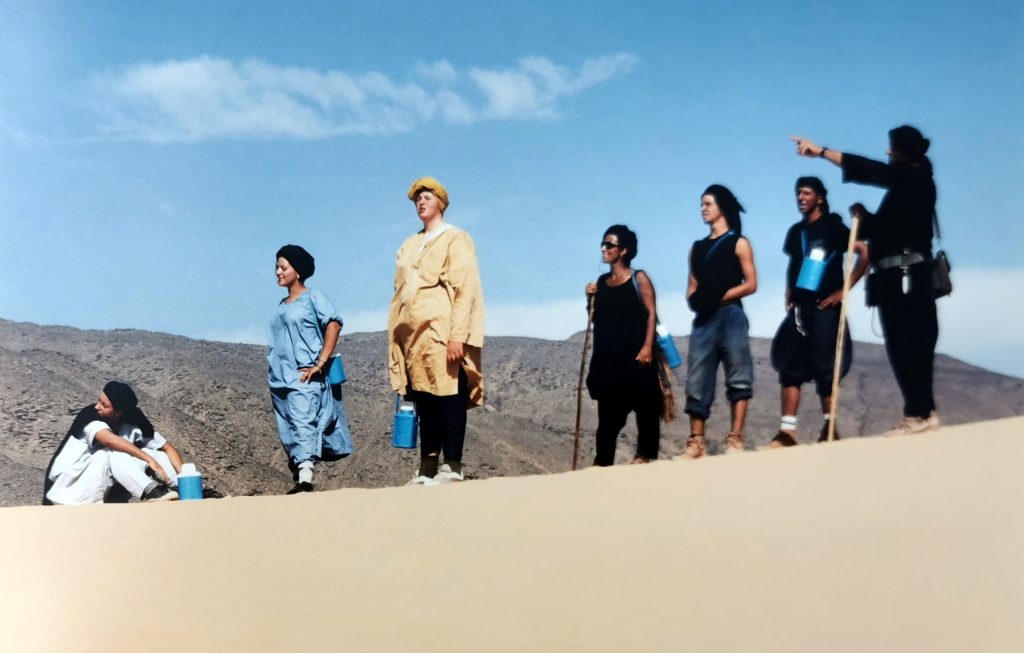
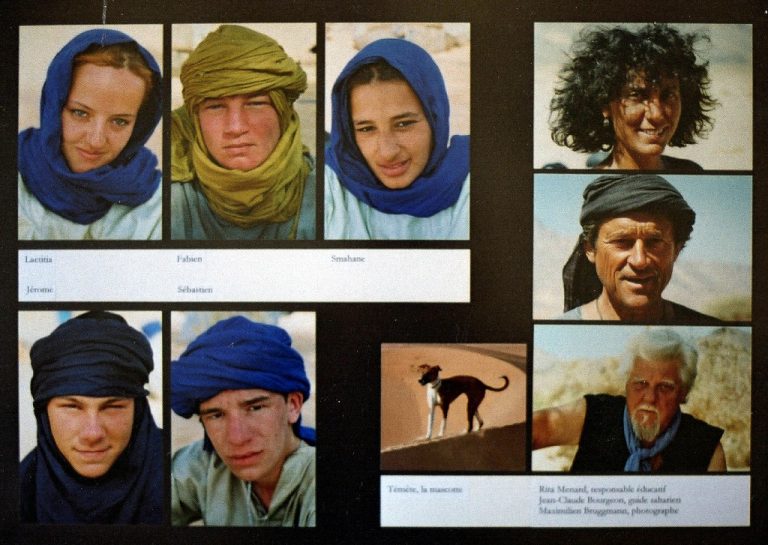
Laetitia au pays des Hommes Bleus


Attention, fragile !

La tête dans ses étoiles intimes, Laetitia regarde la vie avec une force inouïe. Elle est de toutes les émotions, de toutes les envies. Je l’imagine progresser à pas de fourmi géante entre deux dunes, deux idées fortes, deux pensées, revenant sur son chemin de vie avec le fracas d’un tonnerre passager.

Rire aux éclats, éclater d’émotion, regarder le monde avec cette lucidité de l’urgence, tout la transporte dans les recoins de l’âme. Vivante à l’extrême, ses mots, ses phrases, jouent soudain la mitraille inondant la médiocrité ordinaire.

Entre clins d’oeil, humour cinglant et pertinentes maximes qu’elle jette au vent avec une farouche volonté décapante, la délicate ingénue décoiffe parfois les idées attendues, reçues. Elle va, vient, et son esprit en perpétuelle quête de sens s’offre des explosions de vie comme d’autres d’artifices.

Entre joie de vivre et peurs accumulées, entre les malheurs d’hier et l’espérance, elle est une luciole vive, un saute-ruisseau, une arabesque aussi souple qu’un délié, qu’une main attentive trace avec délicatesse…

Forte comme un bulldozer, elle sait tout de sa fragilité…

Alain Bellet

Lire les aventures de Laetitia au beau milieu du Sahara…

Publié dans Sahara | Un commentaire

Johan, sauvé par le désert


Johan le solitaire

Le regard perdu au sommet d’une gigantesque dune, le plat pays d’ici s’effaçait de sa mémoire, laissant la magie du désert calmer ses craintes, ses peurs,  ses angoisses. Le Sahara permettait tous les remue-méninges que l’on n’ose jamais s’offrir.  « Tout ça m’a changé dans la tête », s’avouait-il après avoir goûté une autre vie que la sienne.

A chaque instant, il se sentait pris par le sable, intégré par ce désert qui l’accueillait pour un nouveau départ. Il sentait confusément faire corps avec l’immensité, grâce au vent de la nuit, aux dunes sans cesse renouvelées, au regard d’Ibrahim enfin, sage d’entre les sages, rêvant d’une éducation permettant aux enfants des hommes de se sentir libres…

Lire la suite…

Publié dans Justice, Sahara | Laisser un commentaire

Le bleu des Hommes Bleus

Avec Maude, Samir, Marie-Sonia, Johan et Madjid.

Le bleu des hommes bleus

Le bleu des hommes bleus mélange les couleurs du coeur. Le bleu des hommes bleus impose la saveur des heures Le bleu des hommes bleus sait-il dompter le malheur ?

Le bleu des hommes bleus aiguise-t-il la soif de bonheur? Le bleu des hommes bleus efface-t-il la haine des rageurs? Le bleu des hommes bleus apaise, semble-t-il, la douleur Le bleu des hommes bleus lance un pari une gageure,

Le bleu des hommes bleus vous invite à connaître la grandeur, Le bleu des hommes bleus murmure alors douceur,

Le bleu des hommes bleus, une voix dans l’aigreur

Le bleu des hommes bleus, un cri, un rire, bonne humeur. Le bleu des hommes bleus, juste en mémoire, une saveur.

Alain Bellet

Lire la suite des aventures sahariennes de Maude, Samir, Marie-Sonia, Johan et Madjid.

Publié dans Le Lien, Sahara, Voyages | Laisser un commentaire