The Row Brand Revisited: How the Olsen Twins’ Understated Luxury Brand Came Together
Mary-Kate and Ashley Olsen did not set out to become the reigning architects of quiet luxury when they founded The Row in 2006. The label emerged from a personal frustration: the twins, already veterans of the entertainment industry since childhood, wanted a white t-shirt that actually fit well and lasted. That search for the perfect basic became the founding principle of a brand that now sits at the top of the fashion hierarchy, commanding prices and waitlists that rival houses with a century more history behind them.
The name itself is a soft joke paired with a genuine tribute. Savile Row, the London street synonymous with bespoke tailoring, gave The Row its name and its ethos.. Meticulousness, understatement, and craftsmanship placed above logos or fleeting fads. Close to twenty years later, that core principle has stayed intact, despite the fact that the brand has expanded into ready-to-wear, footwear, and the accessories category that arguably built its cult status: the row bags.
A Astronomically Valued Aesthetic Born from Basics
The initial years of The Row were modest by intent.
Working up from t-shirts and cashmere, the Olsens gradually built a wardrobe of essentials, further down the line expanding into tailoring, outerwear, and ultimately accessories.
The Row’s industry standing had become considerable as the early 2010s came ysl tote bag around: capturing the CFDA’s Womenswear Designer of the Year award in 2012 was a rare honor for so young a label, signaling that the fashion establishment now saw the sisters as designers in their own right, not famous names running a side project.
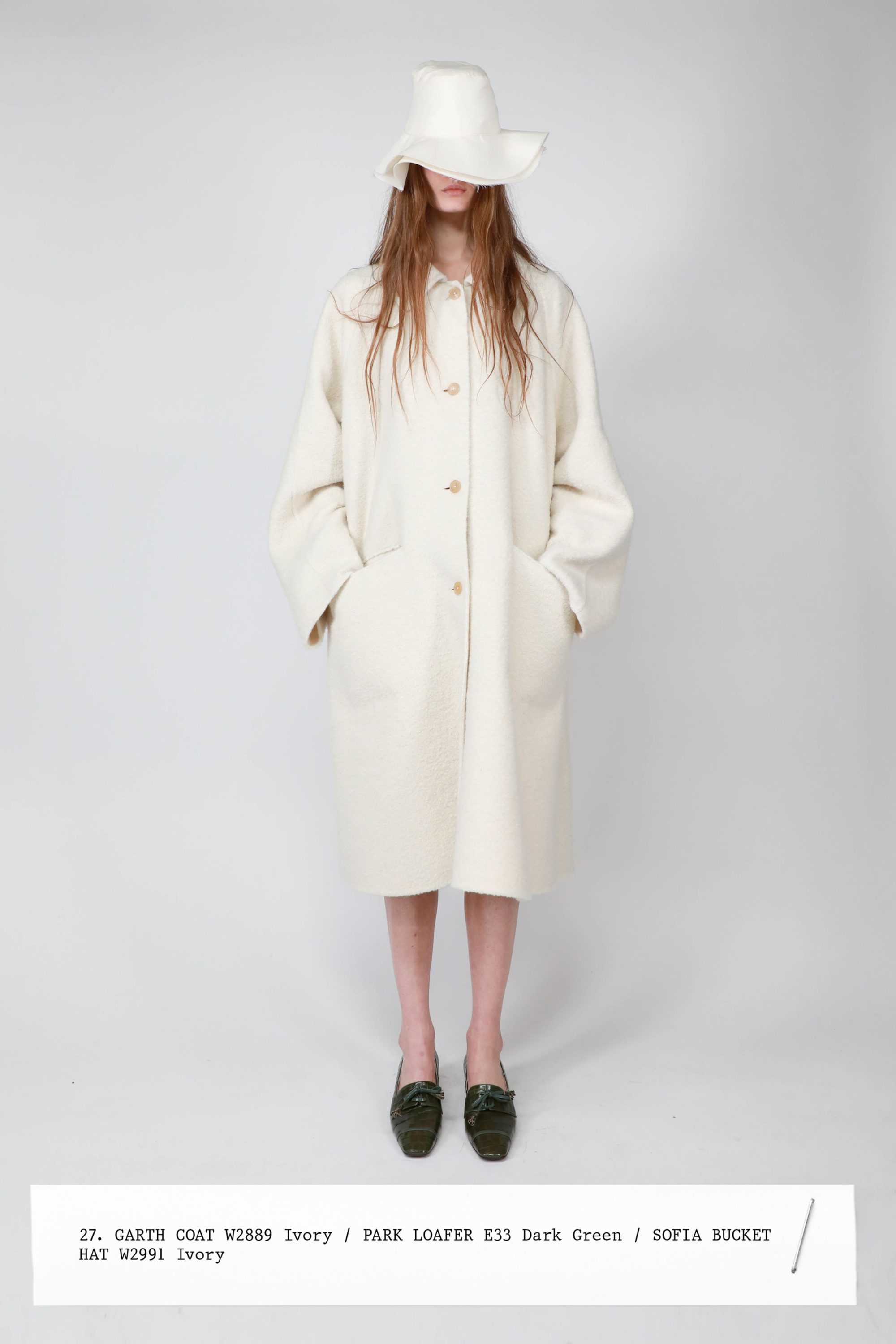
The Row was set apart from other celebrity-launched labels because it refused to chase trends. While much of fashion in the 2010s leaned into logomania and maximalism, The Row moved in the opposite direction. What came to define the brand was understated palettes, exceptional fabrics, and cuts that put fit ahead of flash. This reserve is essentially what « quiet luxury » stands for in current parlance, and The Row is commonly regarded as the label that shaped the aesthetic ahead of the phrase being coined.
The brand’s pricing has consistently reflected the high aspirations. The ready-to-wear line frequently run into the thousands of dollars, and the brand’s leather goods sit comfortably in the four-figure territory and higher. The strategy was no accident — it was set from the beginning — the Olsens wanted The Row to compete with Hermès and Céline, not with secondary or lower-tier labels. Nearly twenty years later, that comparison reads as fully earned.
The Row Bags’s Ascent to Recognition
In cases where ready-to-wear forged The Row’s standing, it was the bags that turned the brand into a full-blown cultural phenomenon. The label’s handbags hold a curious and coveted position in the market: they manage to be at the same time minimalist to the point of anonymity and immediately identifiable to anyone versed in fashion. There is no visible logo on most styles, nothing in the fittings that announces itself. Rather, identity is carried through contour, balance, and how the leather hangs.
Among the row bags, a small cluster of models have reached almost legendary standing. The Margaux, with its relaxed, loose-hanging shape and characteristic pleated edges, emerged as one of the most Googled bags going the moment it appeared on Mary-Kate Olsen’s own arm. Those looking into where to purchase The Row Margaux bag quickly find out that stock is scarce and resale prices often exceed retail, plain evidence that demand has outrun supply. The bag comes in multiple sizes and leathers, and every version has its own wait time depending on which season and retailer.
The tote from The Row remains another anchor point of the lineup, admired for its build that balances structure with softness and its capacity to go from photo sets to daily use without looking out of place in either context. Totes from The Row tend to favor clean lines and minimal hardware, reinforcing the label’s broader outlook that a bag should be assessed by material and craftsmanship, not by logos.
If you’re putting together a row bags overview before buying, it helps to recognize that the brand doesn’t categorize its accessories the way most luxury labels typically do. The label avoids anointing one « it bag » per season. Rather, a rotating set of standout row bags — Margaux, Sofia, Ascot, and a few others — undergo occasional refreshes in hue and dimension while retaining their original silhouette for years at a time. This is intentional. The brand intends for its bags to act as investment pieces, not fleeting seasonal purchases.
Craftsmanship, the Heart of the Appeal
Any discussion of The Row circles back, sooner or later, to materials. The brand sources leather from top-tier European tanneries and works with ateliers that specialize in handbag construction, frequently the very facilities relied on by storied luxury houses. It’s one reason the row bag category carries such steep price tags — the leather alone, even before labor enters the equation, amounts to a considerable expense.
Craftsmanship particulars matter enormously here. Hand-stitching, minimal seams, and hardware that is often custom-cast rather than sourced from a catalog all combine to produce a end result that reads as markedly different from luxury items made at scale. Those who’ve compared a Margaux side by side with a similar bag from a more logo-centric house often note the leather’s weight and softness as the quickest tell of quality.
This dedication to superior materials extends to ready-to-wear as well, with cashmere drawn from particular regions and wool blends created alongside Italian mills bolster the label’s elevated market position. The result is a product line where quality control appears consistent across categories, whether someone is shopping for a coat, a shoe, or one of the row handbags.
Making Sense of a The Row’s Sale Events and Its Secondary-Market Worth
Discounts on The Row are uncommon, and whenever a row sale does happen, it generally stays fairly small compared to the deeper discounts common among other luxury labels. Since the brand keeps distribution tightly controlled and manufactures in fairly limited runs, oversupply is uncommon, leaving less stock that needs marking down at season’s close. Shoppers hoping to catch a significant price drop may need to wait for select multi-brand retailers to run their own promotional periods rather than expecting markdowns from The Row directly.
This scarcity has an interesting side effect: strong resale value. Some bags—the Margaux especially—have been known to maintain or surpass their original retail price when resold. This is unusual in fashion, where most bags depreciate the moment they leave the store. That’s part of why so many customers regard buying from The Row as a lasting investment rather than a fleeting seasonal splurge.
For shoppers specifically on the hunt for a row sale, staying patient and persistent tends to pay off better than rushing. Keeping tabs on authorized stockists and subscribing to alerts from department stores that stock The Row fashion line tends to be more effective than waiting on regular promotions from the brand’s own channels.
Comparing The Row’s Iconic Bag Styles
Understanding how the top row bags differ from one another helps clarify which style suits a given lifestyle or budget. The table that follows gives a general side-by-side look based on publicly known traits of each style’s design purpose, without citing exact prices, since those vary by retailer, region, and season.
| Bag Type | Shape | Ideal For | Hardware Style |
|---|---|---|---|
| Margaux | Relaxed, loosely shaped tote | Daily use, fashion-forward styling | Minimal, tonal |
| Classic Tote Bag by The Row | Crisp, architectural | Work, travel, formal settings | Discreet metal touches |
| Sofia | Compact shoulder bag | Night-out use or pared-down everyday needs | Hidden clasp |
| Ascot | Structured top-handle | Business, formal occasions | Artfully shaped handle, logo-free design |
This kind of row bags overview is useful for narrowing down a first purchase, especially for shoppers new to the brand who may feel overwhelmed by how similar the silhouettes can appear at first glance. The differences, while subtle, are meaningful once a bag is in hand.
La marque The Row au cours de l’année 2026, Où en est l’enseigne à ce jour?
Approaching 2026, The Row shows no signs of softening its dominance of the understated-luxury discourse. Year after year, the brand chooses to present at Paris Fashion Week, a deliberate choice positioning it among Europe’s most long-standing houses rather than its American contemporaries. The payoff of this choice, made years ago, has become evident in both critical respect and commercial standing.
Distribution remains intentionally narrow. The Row is sold through its own flagship boutiques and a short list of authorized luxury retailers, a strategy that keeps inventory tight and demand high. Shoppers researching where to buy The Row Margaux bag in 2026 will find that authorized stockists remain the safest route, both for authenticity guarantees and for any future resale value the bag might carry.
By now, its influence on the wider fashion industry can’t be ignored. A wide range of other labels have sought to replicate the formula of muted palettes, exceptional cloth, and logo-free design, but few have kept pace with the consistency The Row has sustained since 2006. The Row remains one of the most convincing proofs that minimalism, done well, can be its own form of luxury — particularly for buyers building a wardrobe around lasting value rather than fleeting fads.